

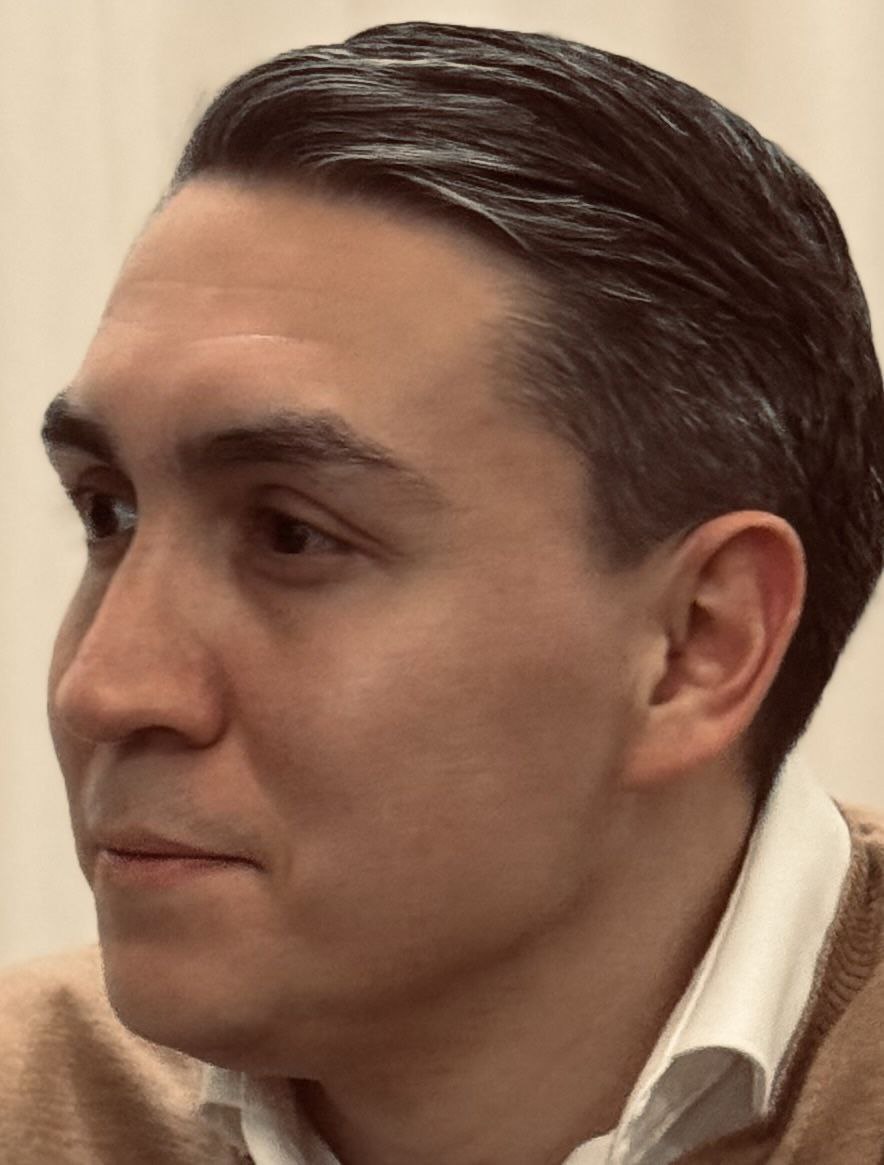
Oleksii Abasov: The European Waste Model: Difficult, Long-Term — and Exactly Why It Works
In times of crisis, governments are naturally drawn to simple solutions. In waste management, incineration is often presented as such a solution — fast, visible, and politically convenient. Yet simplicity in this sector often comes at the cost of long-term strategic failure.
The European waste management model takes a fundamentally different approach.
It does not promise quick wins or immediate political gains. It is complex, capital-intensive, and institutionally demanding. And precisely for these reasons, it delivers sustainable results.
At its core, the European model treats waste not as a disposal problem but as a managed resource. This shift transforms waste management from a municipal burden into an industrial and investment-driven sector of the economy.
Recycling and circular economy principles create value chains, stimulate innovation, and generate employment. This is not infrastructure for its own sake — it is an industry with long-term economic logic.
For Ukraine, this path is undeniably more challenging. It requires alignment with EU legislation, transparent tariff systems, digital tracking of waste flows, and strict environmental oversight. It demands institutions that work and rules that are enforced.
But these same requirements are what attract institutional capital. Investors seek predictability, long-term visibility, and regulatory stability — all of which are embedded in the European waste framework.
Moreover, recycling-based systems distribute economic benefits more broadly across regions and sectors, making them particularly relevant for post-war recovery and inclusive growth.
Ukraine’s choice is not about technology.
It is about economic philosophy.
The European waste model is not the easiest option — but it is the only one that builds a future rather than manages decline.
Oleksii Abasov, entrepreneur